• 4/F., Champion Tower, 3 Garden Road, Central, Hong Kong
  • Unit. 1908-09, 19/F, Mira Place Tower A, 132 Nathan Road, Tsim Sha Tsui

Why do cancer patients especially need pneumococcal vaccination? Understanding infection risk and prevention strategies

Pneumococcus is a common pathogenic bacterium that can cause upper respiratory infections such as sinusitis and otitis media, and may also lead to severe invasive disease including pneumonia, septicemia, and meningitis. For patients undergoing cancer treatment or with suppressed immune function, pneumococcal infection is more likely to cause serious complications, increase the risk of hospitalization, and even become life-threatening. It may also interrupt planned cancer treatment.

Pneumococcal vaccination is therefore an important preventive measure. It can effectively reduce the risk of infection, decrease the need for hospitalization, and help maintain continuity of cancer treatment.
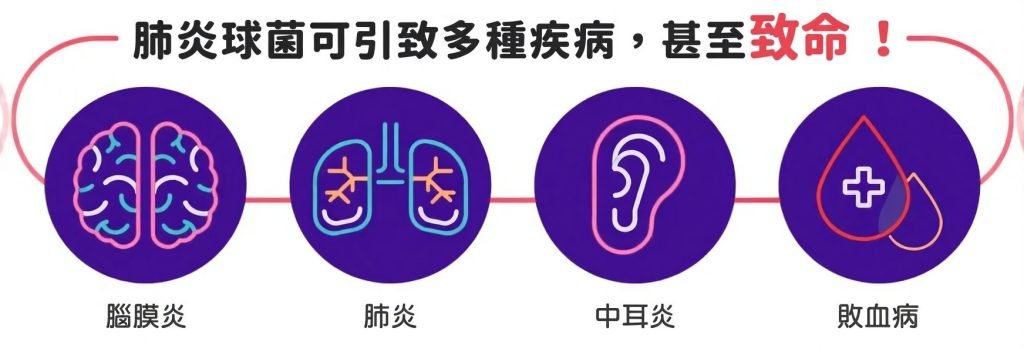
Understanding pneumococcus

1.Pneumococcus commonly colonizes the upper respiratory tract and can survive in the human body. It spreads mainly through droplets or direct oral contact, or indirectly through objects contaminated with respiratory secretions.

2.Even healthy individuals can carry pneumococcus.

3.In 2023, pneumonia accounted for 11,334 deaths in Hong Kong, making it the second leading cause of death.

4.The risk of pneumococcal infection increases with age. In 2024, more than 30% of invasive pneumococcal disease cases occurred in older adults. Nine out of every ten people who died of pneumonia were aged 65 or above.

5.Co-infection with COVID-19 and pneumococcus may increase mortality risk by 5.8 times.

People at high risk of pneumococcal disease

1.Those with a history of invasive pneumococcal disease, cerebrospinal fluid leak, or cochlear implant

2.Those with chronic cardiovascular disease (excluding uncomplicated hypertension), lung disease, liver disease, or kidney disease

3.Those with metabolic disease, including diabetes or obesity (body mass index 30 or above)

4.Immunocompromised individuals, including patients with cancer

5.Those with chronic neurological disease affecting respiratory function, clearance of secretions, aspiration risk, or self-care ability

People in these high-risk groups are more likely to develop severe illness after invasive pneumococcal infection. Vaccination can effectively prevent these invasive infections.

Why do cancer patients especially need pneumococcal vaccination?

1.Lower the risk of severe complications.

Immunocompromised patients are more likely to develop invasive disease, such as pneumonia complicated by septicemia, once infected with pneumococcus. Vaccination can effectively reduce the incidence of these serious complications.

2.Reduce the burden on patients and the healthcare system.

Preventing infection can reduce emergency visits, hospital admission, and antibiotic use, thereby lowering the overall burden on both patients and the healthcare system.

3.Maintain continuity of cancer treatment.

Pneumococcal infection may cause cancer treatment to be interrupted or delayed. Timely vaccination helps lower this risk and supports treatment according to plan.

Frequently Asked Questions (FAQ)

  • 1. Can the pneumococcal vaccine be given at the same time as influenza or COVID-19 vaccine?

    Yes. The pneumococcal vaccine can be administered together with other vaccines, such as influenza or COVID-19 vaccine, using different syringes and different injection sites.

  • 2. Are there side effects after vaccination?

    Pneumococcal vaccines have been shown to be safe. Common adverse reactions include mild swelling and pain at the injection site shortly after vaccination, and these usually resolve naturally within two days. Some people may also experience mild fever, fatigue, headache, chills, or muscle pain.

  • 3. Which older adults are not suitable for pneumococcal vaccination?

    Those who have had a severe allergic reaction to vaccine components or to a diphtheria-toxoid-containing vaccine should not receive it.

  • 4. When should pneumococcal vaccination be given?

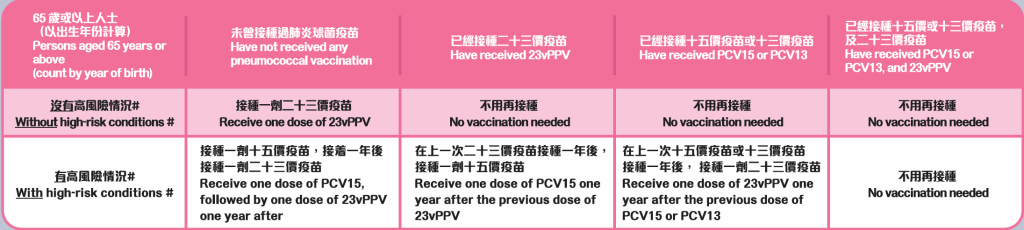
    In Hong Kong, the government subsidizes pneumococcal vaccination for adults aged 65 or above. Details can be found in the relevant Centretor Healtn Protection matenals.

Our vaccination service and arrangements

Our clinic provides pneumococcal vaccination service. If you are receiving immunosuppressive therapy, have undergone hematopoietic stem cell transplantation, or have a history of severe allergy, we recommend booking a pre-vaccination assessment so that our healthcare team can develop an individualized vaccination plan for you. If you have any questions or would like more information, please feel free to consult our healthcare staff.

References

  1. Centre for Health Protection, Department of Health. Pneumococcal Infection. Accessed January 2026.
  2. Hong Kong Centre for Health Protection. Number of Deaths by Leading Causes of Death, 2001–2023. Accessed January 2026.
  3. Hong Kong Centre for Health Protection. Report on Invasive Pneumococcal Disease. Accessed January 2026.
  4. Ferrando M, et al. Co-infection of Streptococcus pneumoniae in Respiratory Infections Caused by SARS-CoV-2. Biointerface Research in Applied Chemistry. 2021;11(4):12170–12177.
  5. Centre for Health Protection, Department of Health. Details of Vaccination Subsidy Scheme – Pneumococcal Vaccination.